

A Lapidary Legend
Reo Noble Pickens Jr. was born on May 30, 1926, in Maricopa, Arizona, to Reo Noble Pickens Sr. and Pearl Pickens. Raised within a family culture deeply rooted in the exploration of the American West, Pickens Jr. would become a notable figure in mid-twentieth-century American mineralogy, known for bridging the gap between professional commercial photography and the lapidary arts.
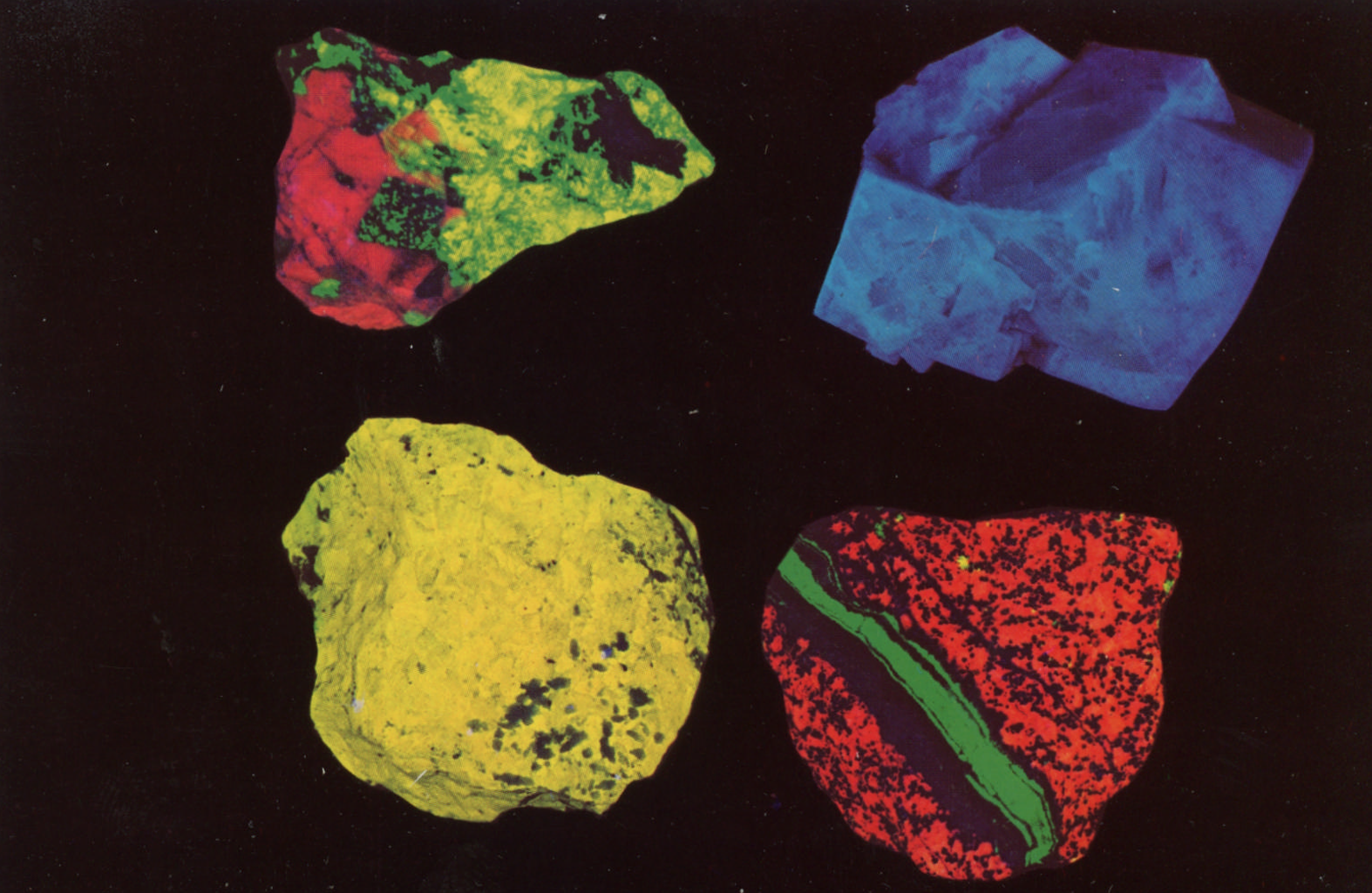
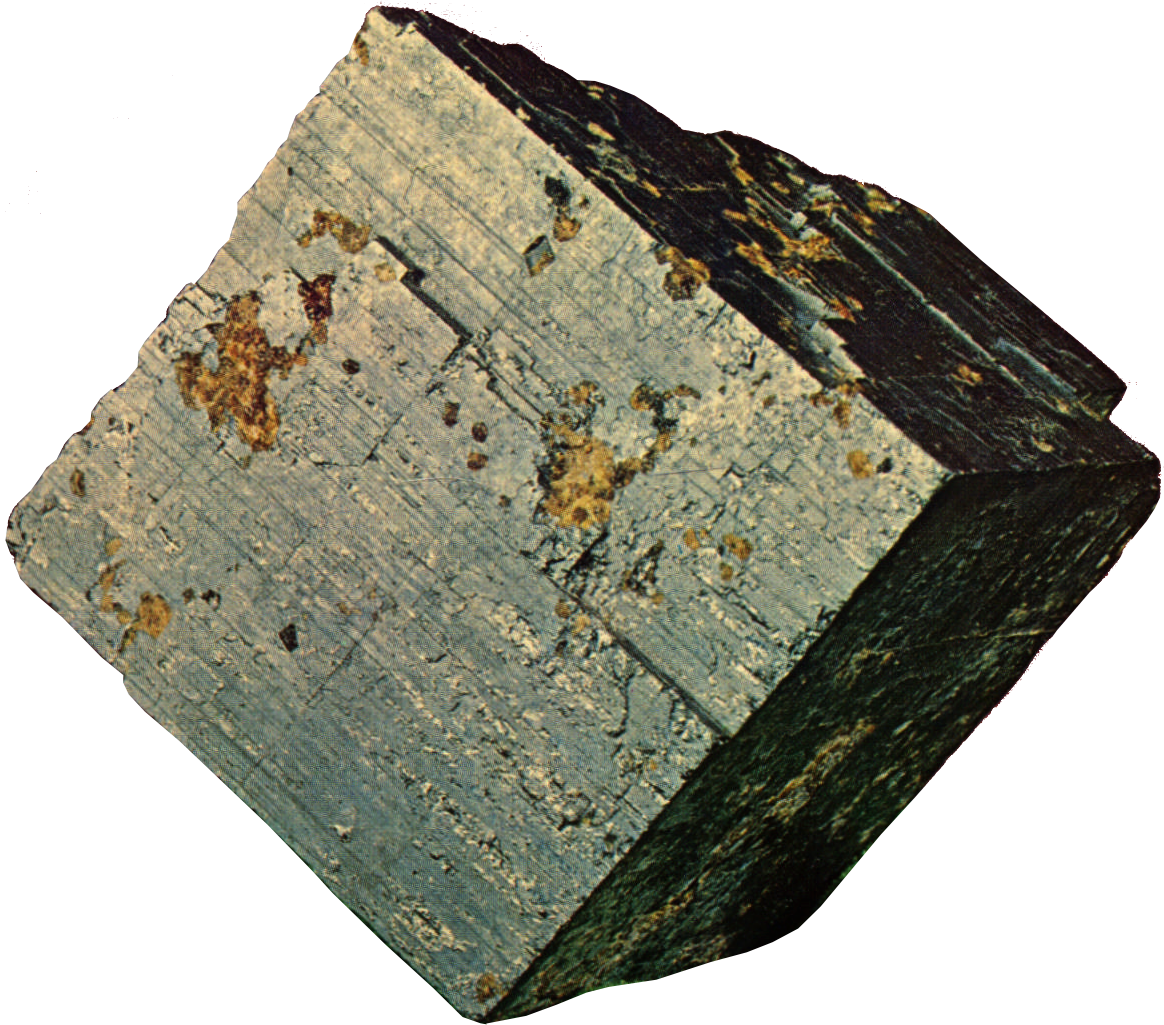
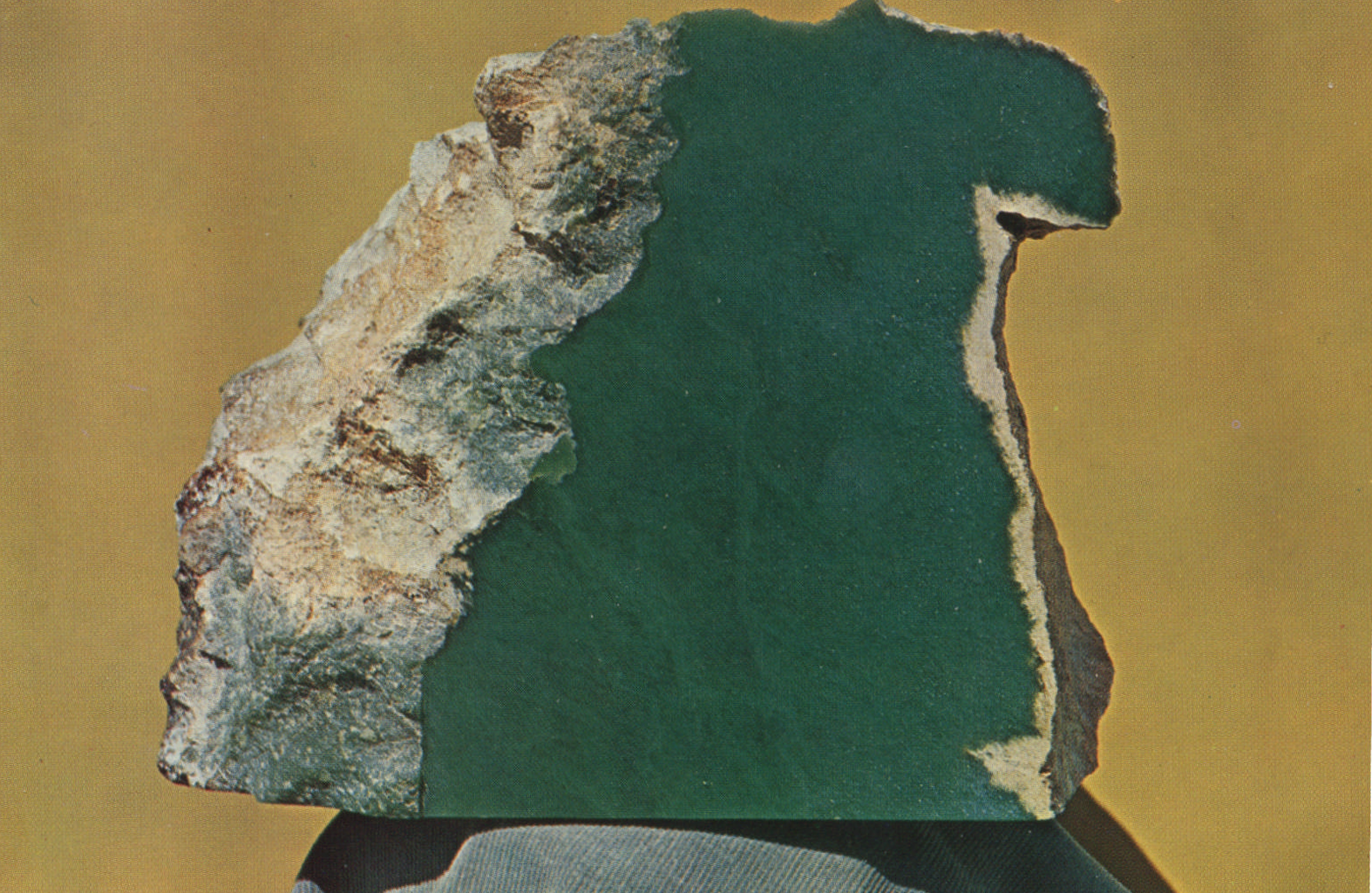
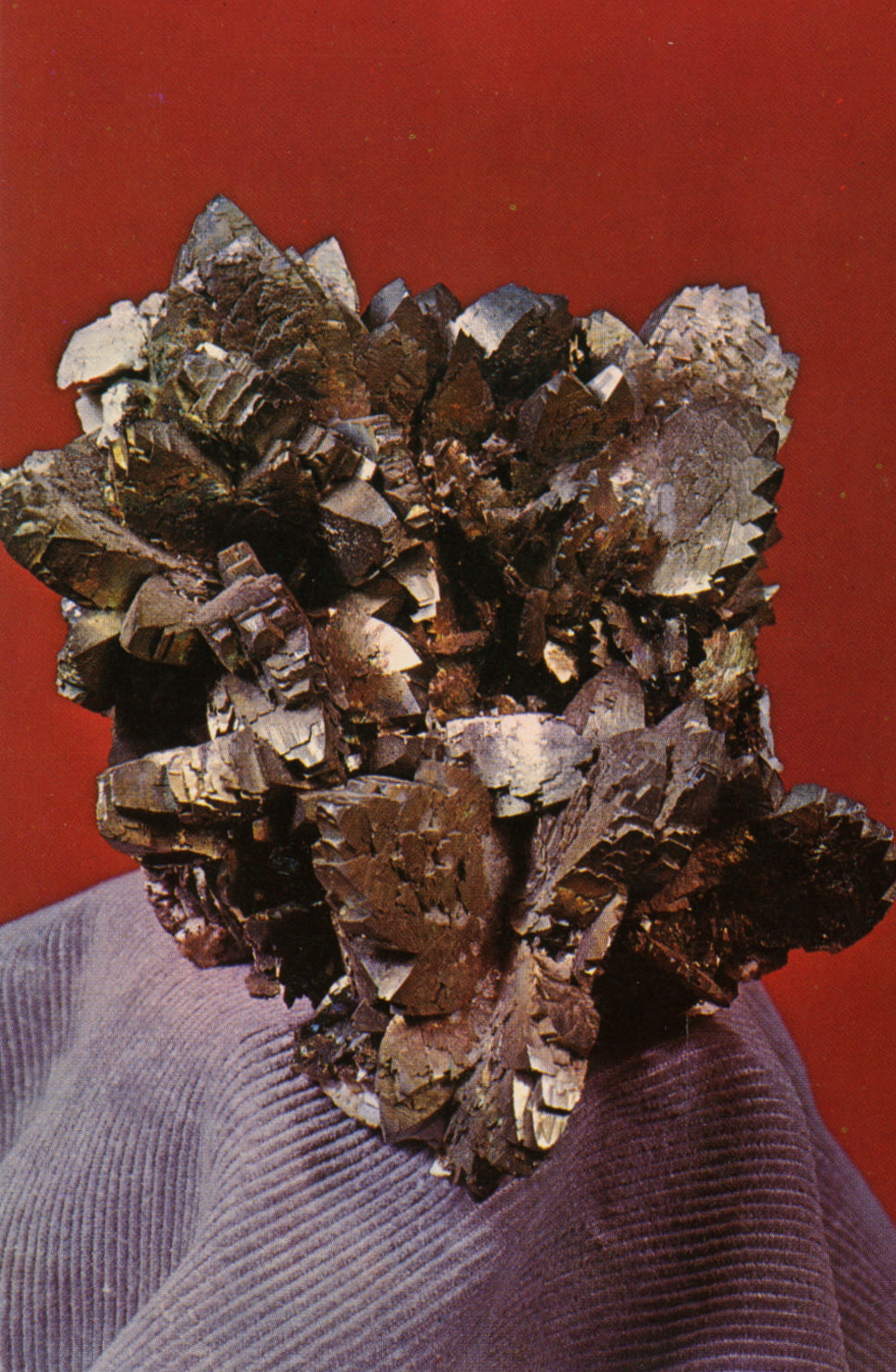
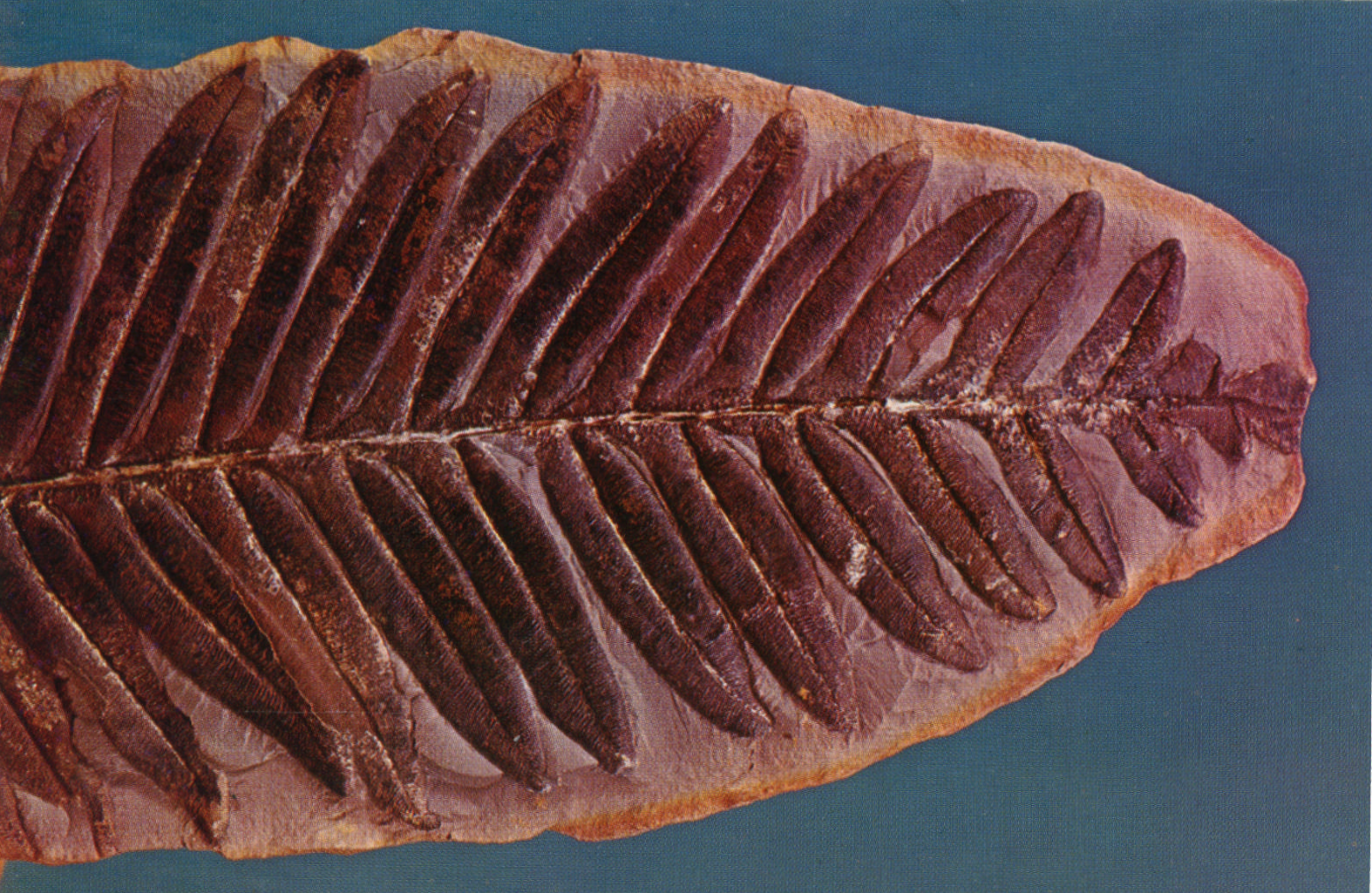
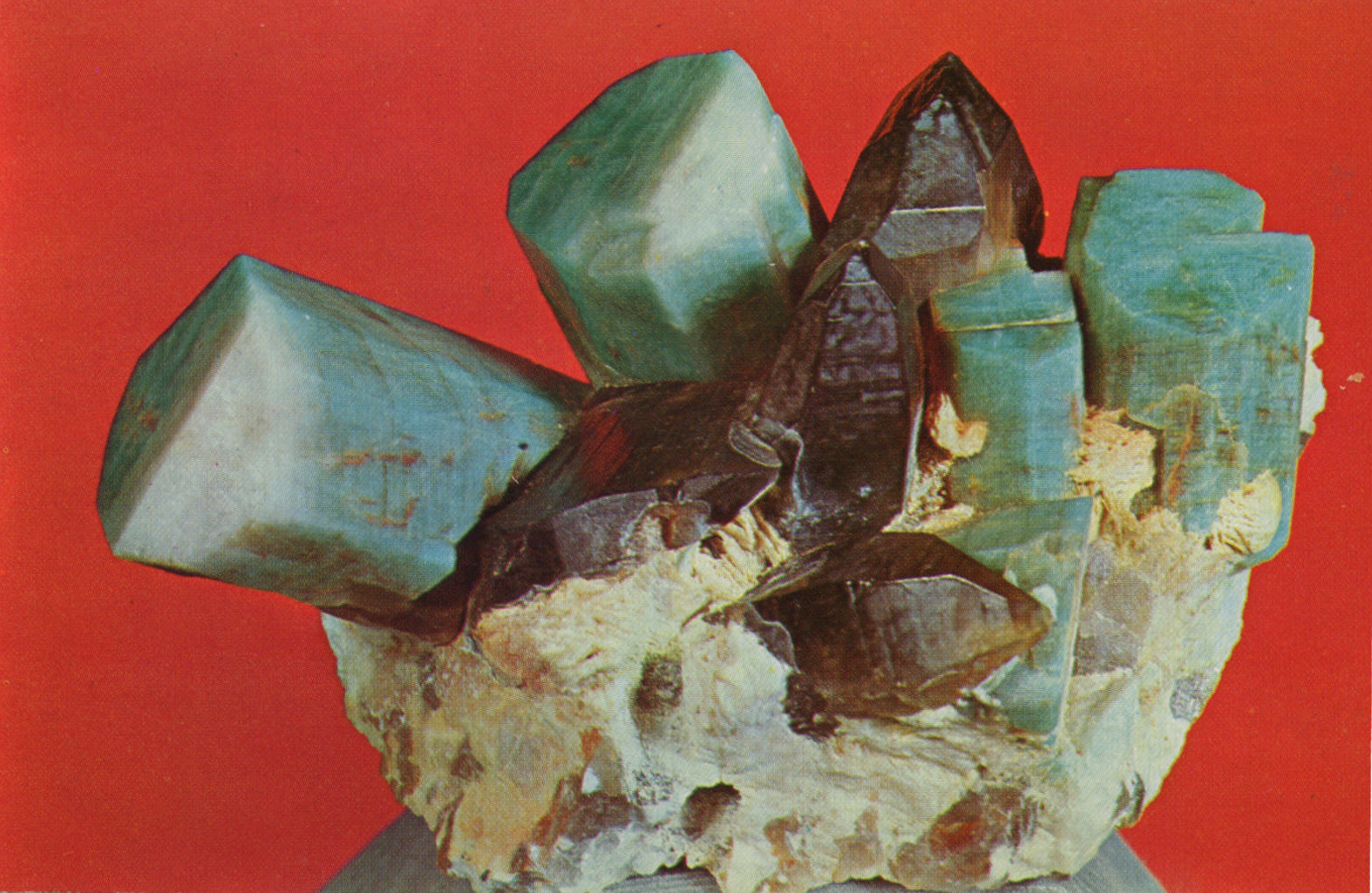
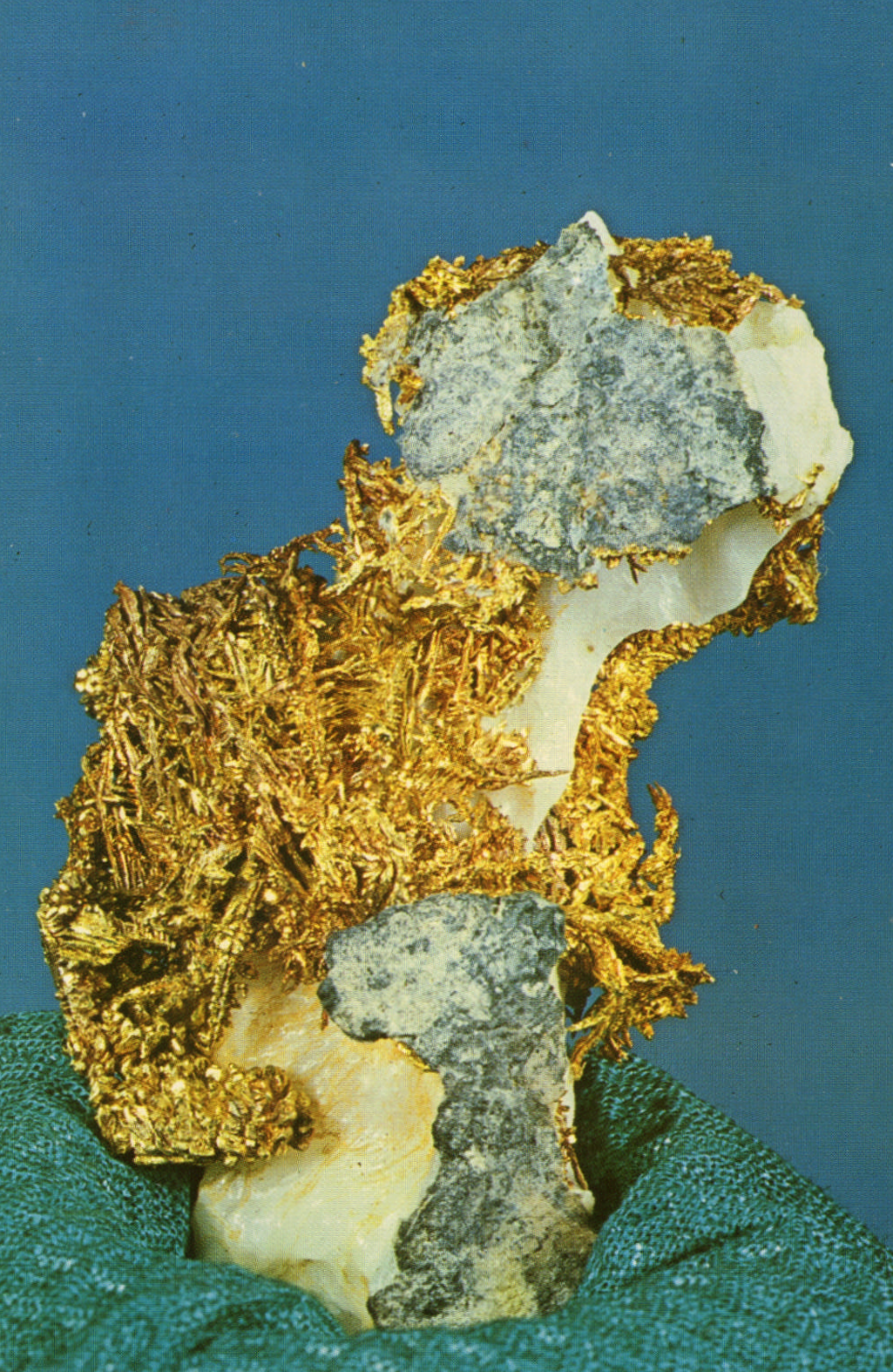
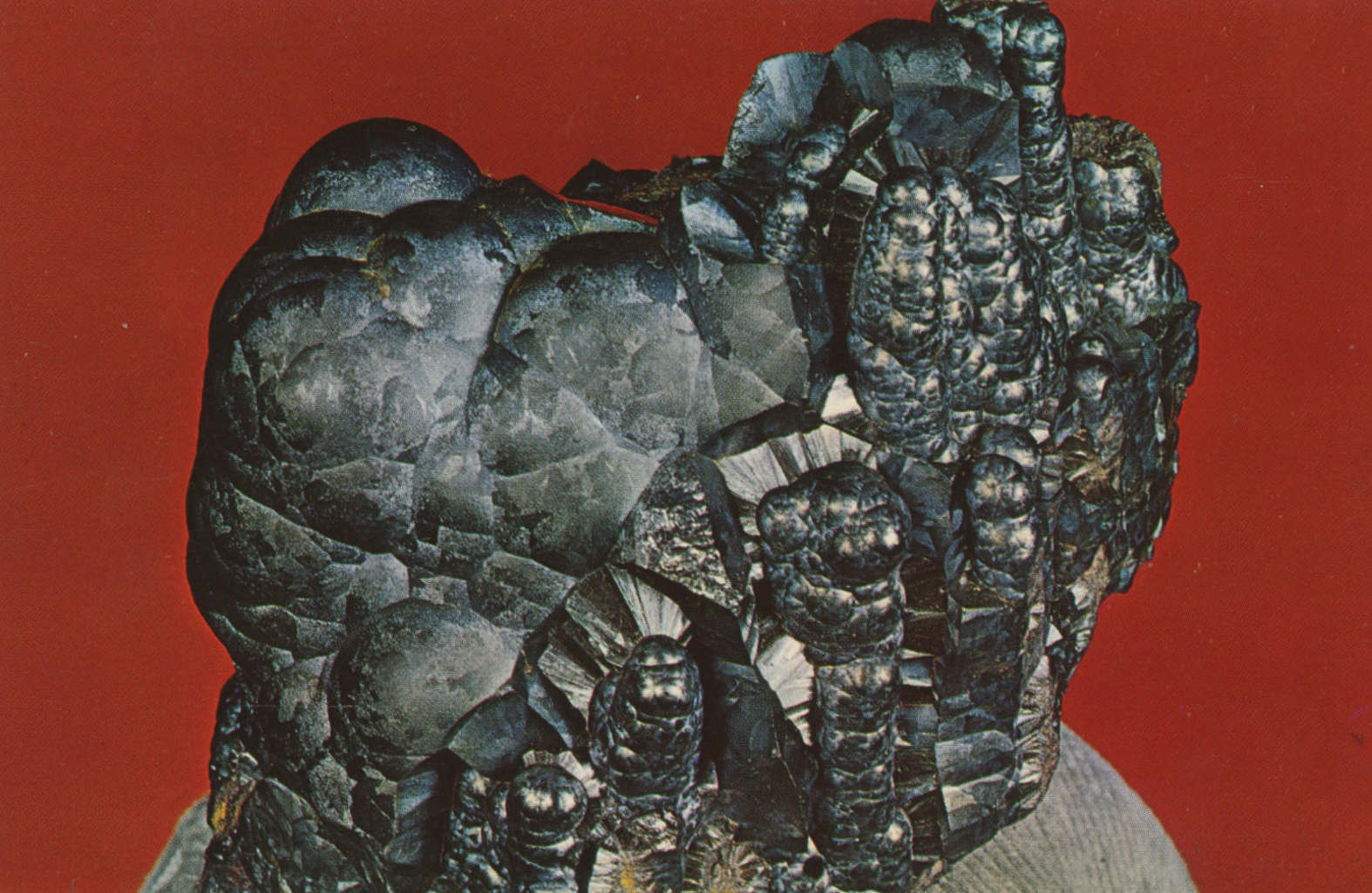
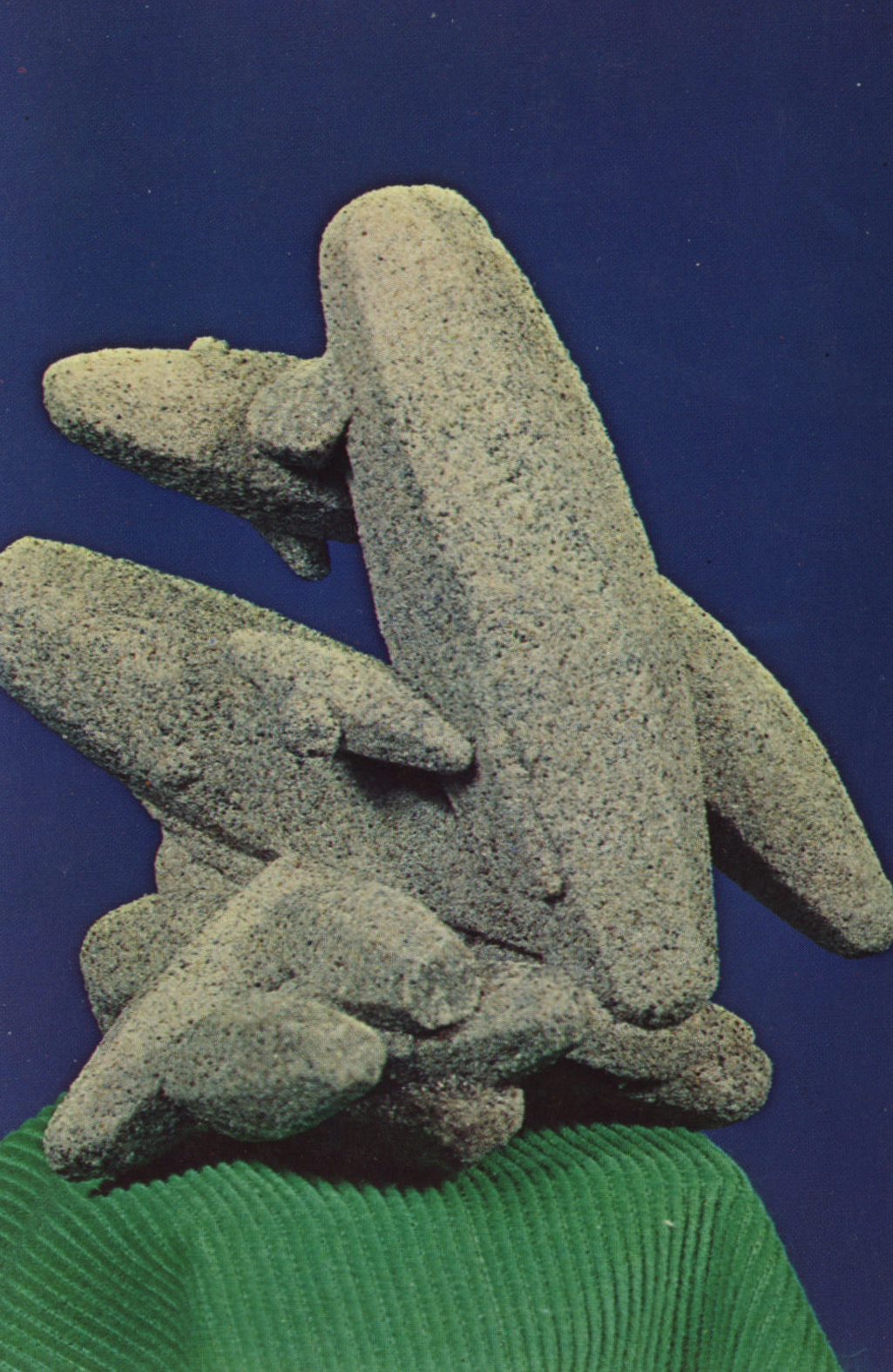
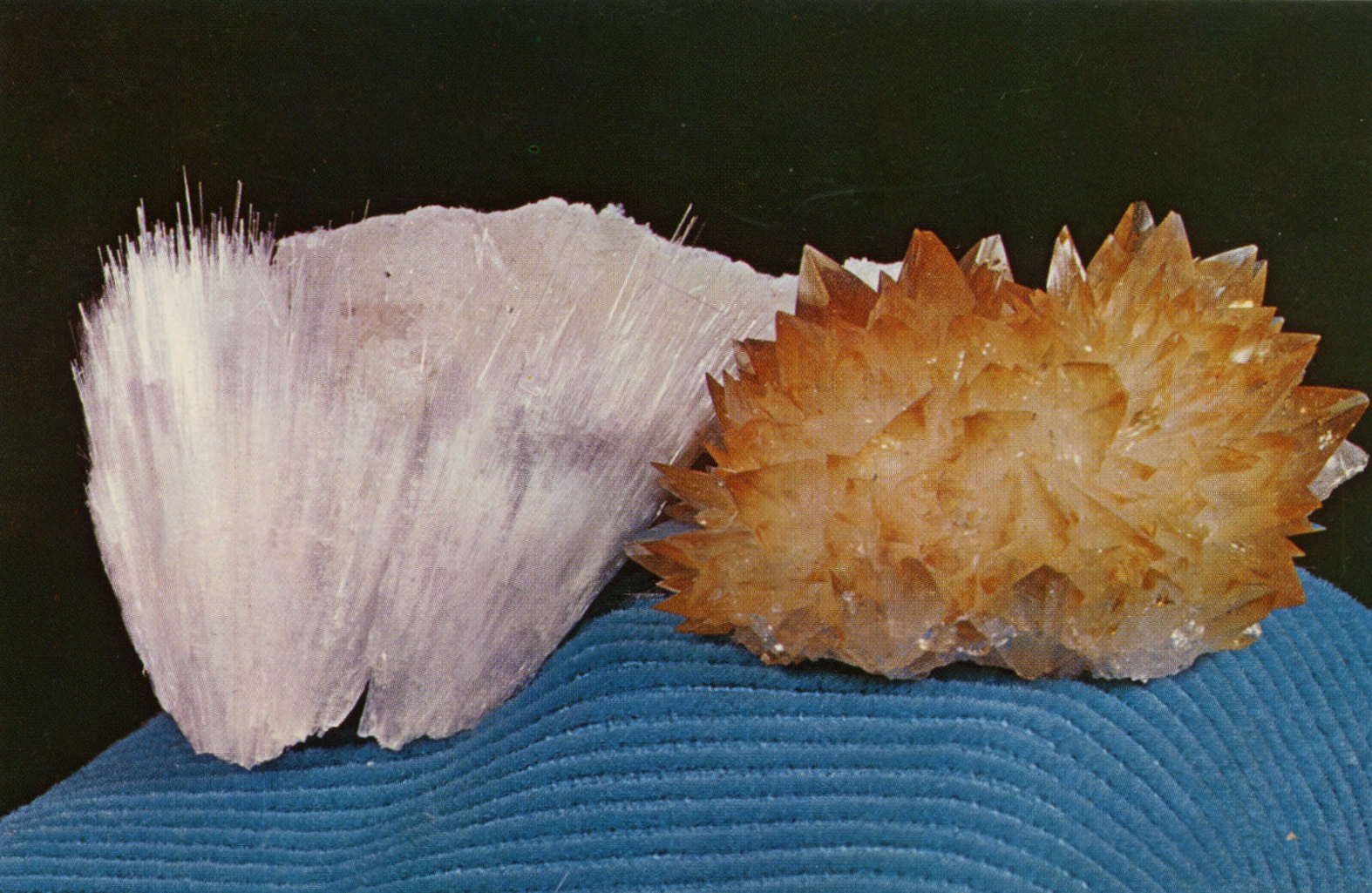
Operating primarily out of his studio in Waukegan, Illinois, Pickens documented mineral specimens through his Pickens Mineral Post Card series. His innovations in macro- photography provided the geological community with a level of color accuracy and detail that was previously unavailable in standard textbooks.
Lights, Camera, Agate!
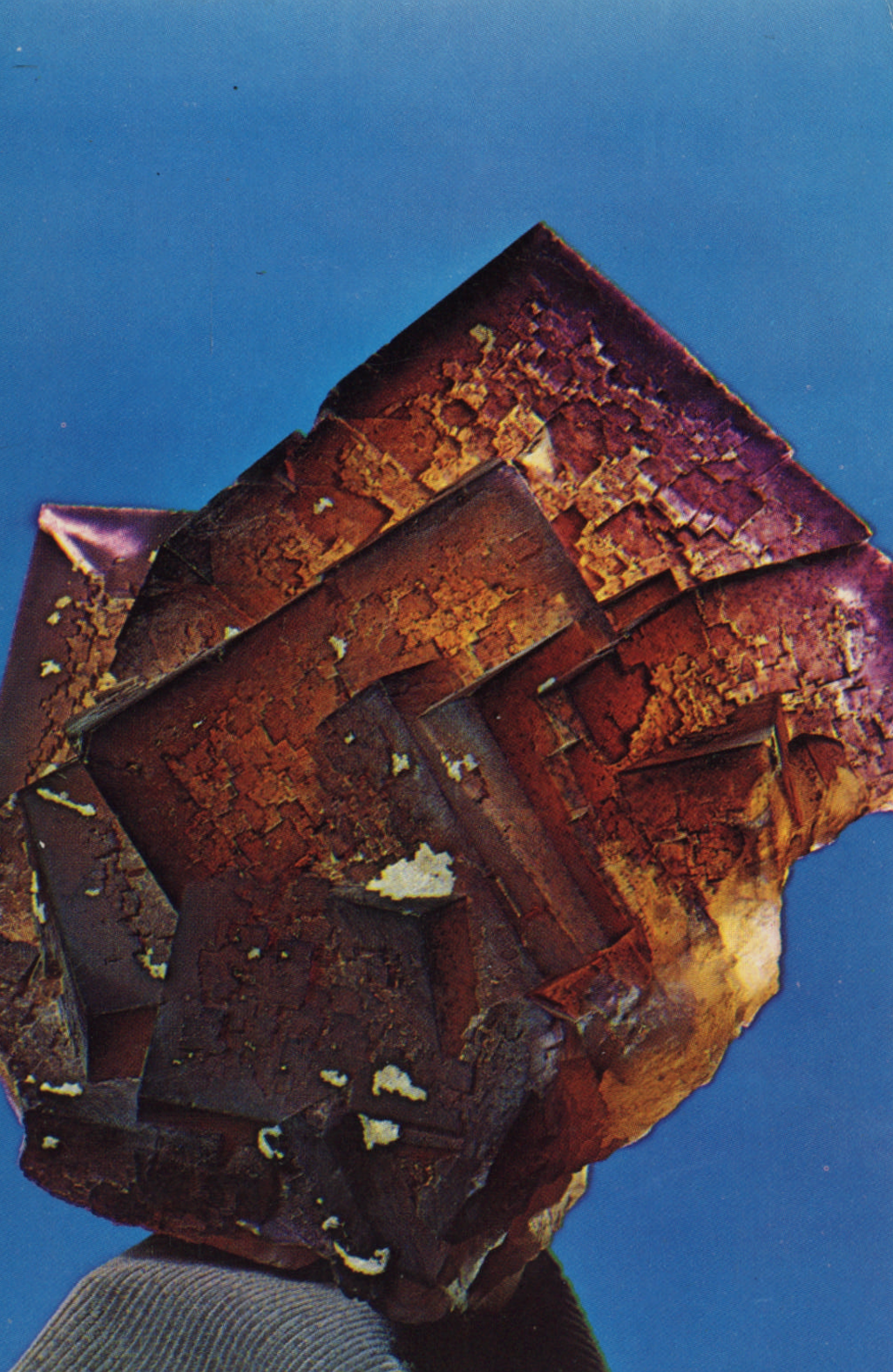
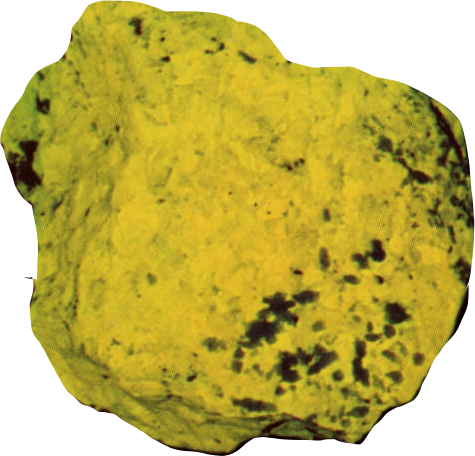
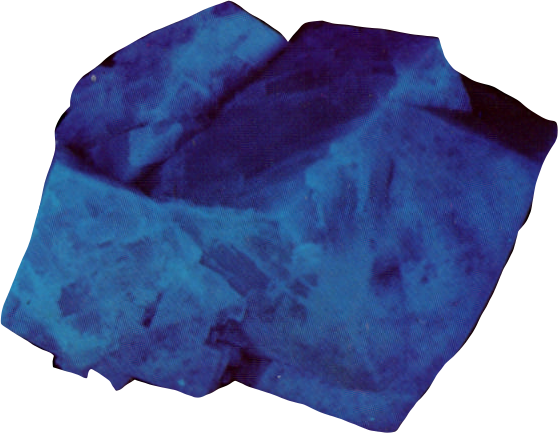
The primary challenge of mineral photography in the 1950s and 1960s was the management of "hot spots"—highly reflective glares on crystal facets that obscured detail. Pickens solved this through a proprietary system of indirect, diffused lighting. It’s likely he used 35mm SLR cameras, possibly a Nikon system with Micro-Nikkor lenses. Pickens’ long exposure times captured the saturated colors and fine textures (like the hexagonal beryl crystals or fibrous rhodonite) that became his signature.
Before setting the lights, Pickens was known for "clay squashing"—using a silicone-based clay to orient the specimen at precise angles. By tilting the mineral just a few degrees away from the primary light path, he could ensure that the most spectacular crystal faces were illuminated by fill light rather than a direct beam, effectively eliminating hot spots while maintaining a "glow." Translucent materials (often white paper or specialized fabrics) served as diffusers, placed between the light source and the specimen to scatter the light. This "softened" the rays, helping them to wrap around the crystal faces rather than bouncing harshly off a single point.
Pickens treated mineral specimens like a "pile of broken mirrors," each face requiring its own light management. He placed small, hand-shaped pieces of aluminum foil (using the matte side to avoid sharp reflections) or white cards around the base of the specimen to bounce light into deep "vugs" or crevices. To give the crystal faces definition and prevent them from blending together, he used "black reflectors"—small pieces of black paper—to intentionally cast shadows on certain facets. Together, this created the high-contrast, "3D" depth and allowed him to capture the deep internal "fire" of gemstones, in addition to the complex geometry of sulfide minerals without the harsh bounce-back of traditional electronic flashes.
A Legacy Set in Stone
In 1960, the journal Rocks & Minerals inaugurated the "Pickens Mineral Post Card Department," cementing Pickens’ role as the premier documentarian of the "Rockhound" era. His business model focused on Real Photo Postcards (RPPCs), which were actual photographic prints rather than lithographic reproductions. These cards served as essential visual aids for thousands of hobbyists and university geology departments. By producing 35mm color slides alongside his postcards, Pickens provided the visual curriculum for geology labs across the United States, documenting everything from Michigan’s Petoskey stones to rare Arizona copper minerals.
Picken’s postcards functioned as a de facto visual catalog for students; many university mineralogy collections (such as those at the University of Illinois) acquired these postcards to use as supplementary "flashcards" for specimen identification due to their high technical fidelity. Reo N. Pickens Jr. died in Sutherlin, Oregon, in 2013, leaving behind a body of work that remains a gold standard for deltiologists and mineralogists alike.
Collection Notes
As of spring 2026, OPEN has about 140 cards in stock. There are about 90 unique specimens, and 100 fully unique cards.
We’re also collecting duplicate cards that were printed at different times, indicated by various print ID numbers, printer logos, and other markings on the card backs.
If you have any of the following numbered cards, please reach out to ben.sisto@gmail.com!
8, 10, 12, 18, 29, 40, 51, 52, 64-70
Sources:
Some text here was generated with the assistance of AI. OPEN has verified primary sources, and done original research in addition to using AI. If you have any corrections to point out, please be in touch. Please double check any info on this page prior to citing it as a primary source!
"Pickens Mineral Post Card Department." Rocks & Minerals, vol. 35, no. 9-10, 1960, pp. 482-484.
"Reo N. Pickens Jr. (1926-2013)." Obituaries and Historical Records, Ancestry.com.